


If you stand for long periods of time, like when you work in retail, teach, cook, or just stay on your feet all day, you may have felt that dull ache or stiffness in your knees that gets worse over time.
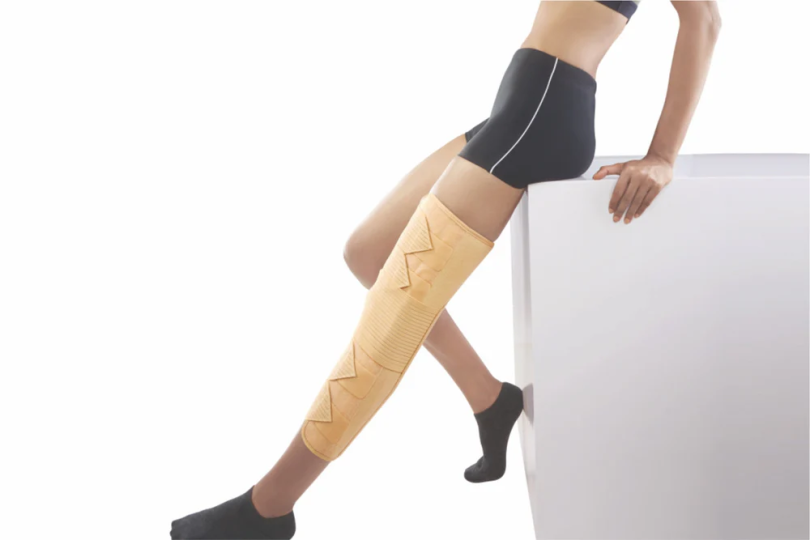
It could start out as something small that you can easily ignore. But over time, it can become painful and make it hard for you to move, work, and even sleep. That’s where knee supports like a knee brace, knee cap, or general knee support come in.
But do you really need one? And how do you pick the right one without making things too hard?
Let’s make it easier to understand.
Why standing for a long time hurts your knees?
Standing may not seem as hard as running, but it still puts a lot of stress on your knees.
When you sit, your joints get a break, but when you stand, your knees are always working. That pressure builds up over time and can cause:
- Joint tiredness
- Strain in the muscles
- Circulation problems
- Swelling and stiffness
It gets worse if your shoes don’t support you or if your posture isn’t good.
And what if you’ve had knee problems before? Standing for a long time can make that pain come back.
How knee support really helps
A knee support won’t fix everything, but it can help a lot with how your knees feel during and after a long day.
Think of it as extra help that makes your knee work better and puts less stress on it.
This is how it helps:
1. Reduces pressure on the joint
Your knee joint has to support a lot of weight when you stand for a long time. A knee cap or knee brace helps spread that pressure out more evenly.
This means that one area will be less stressed, which will also mean less pain by the end of the day.
2. Improves stability
You’re not the only one who feels like their knees are weak, shaky, or like they might give out after standing for a long time.
A knee brace helps keep your joint aligned and supported by giving it structure and stability.
This is especially helpful if
- You’ve hurt yourself before.
- Your knees don’t feel stable.
- You work long hours without taking breaks.
3. Reduces fatigue
Standing all day doesn’t just make you tired, it also makes your joints tired.
A good knee support makes it easier for your muscles to keep your knee stable, which can help you stay awake longer and make long hours easier to handle.
4. Increases confidence in movement
This may seem like a small thing, but it is important.
When your knees hurt, you naturally move differently. You move more slowly, carefully, and sometimes even awkwardly.
Putting on a knee cap or brace can help you feel more confident about moving around normally without worrying about pain all the time.
Knee brace vs knee cap: what should you choose?
This is where most people get mixed up.
Both give help, but they do so in different ways.
Go for a knee brace if:
- You have knee pain that ranges from mild to severe.
- Your knee doesn’t feel stable.
- You’ve been hurt before, and you need strong support for long shifts.
A knee brace is more structured and gives you the most support.
If you need a knee cap if:
- Your pain isn’t too bad.
- You want something that is light and easy to wear.
- You need support for everyday use.
- You’ll be wearing it for a long time.
A knee cap is flexible, lets air in, and is easier to wear all day, which makes it a great choice for most people who stand a lot.
Can you wear knee support all day long?
Yes, you can.
But this is the smarter way to do it.
Use it when:
- You work long hours.
- Your knees hurt or are tired.
- You are getting better from a little pain.
Don’t depend on it too much when:
- Your knees feel great.
- You are either resting or not putting stress on your legs.
Why? If you depend too much on support, your muscles may not have to work as hard, which could make them weaker over time.
The key is balance.
What actually protects your knees long-term
Knee support helps, but it’s not the only thing that works.
If you want to keep your knees healthy while standing for a long time, you should do these things:
1. Make your legs stronger
Strong muscles help your joints by taking pressure off them.
Pay attention to:
- Quads, hamstrings, and glutes
A few times a week of even simple exercises can make a big difference.
2. Wear the right shoes
Wearing the wrong shoes can hurt your knees.
Keep an eye out for:
- Good support for the arch
- Cushioning: A good fit
You might not think that your knees and feet are more connected than they are.
3. Maintain a straight posture
If you stand with bad posture, your knees will be unevenly stressed.
Try to:
- Stand up straight
- Don’t lock your knees
- Put the weight evenly
Little changes can make a big difference.
4. Take short breaks
If you can, don’t stand still for hours without moving.
A short break to sit down or stretch can help with stiffness and blood flow.
5. Pay attention to your body
You don’t have to push through pain all the time.
If your knees hurt all the time, you need to change something, like your routine, shoes, or support.
How to pick the best knee cap for pain relief?
It’s important to pick the right knee support because not all of them are the same.
This is what you should look for:
- First, comfort
You won’t wear it all the time if it’s uncomfortable.
- Material that lets air flow
It should let air flow through and keep you from sweating because you’ll probably wear it for hours.
- Fits well
It shouldn’t be too tight, but it should stay in place. Uncomfortable when too tight. Too loose means it doesn’t work.
- Being flexible
You should be able to move around easily while wearing it.
A good knee cap helps you move around, it doesn’t stop you.
So, do you really need knee support?
Not all the time.
You might not need it if your knees feel strong, stable, and pain-free.
But if:
- You stand for a long time every day.
- You feel stiff or in pain.
- You’ve had problems with your knees before.
Then it might be a good idea to use a knee brace or knee cap.
Final Thoughts
It hurts your body, especially your knees, to stand for long periods of time.
A knee brace or the best knee cap for pain relief can make your daily life easier and less painful over time.
But keep in mind that it’s not a substitute for having strong muscles, good posture, and healthy habits.


