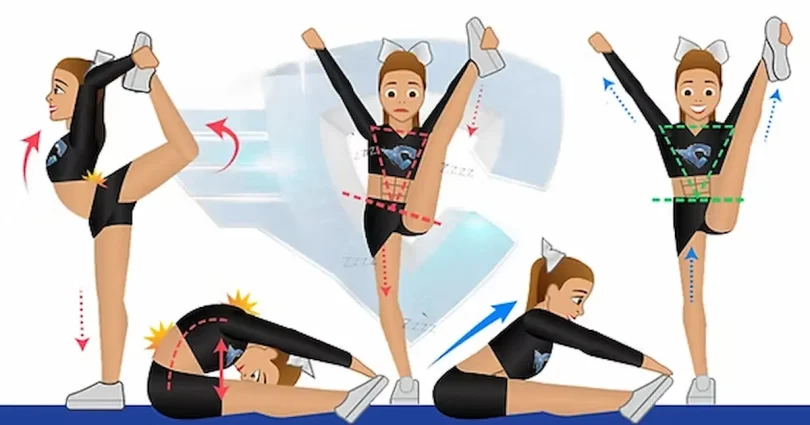

If you’ve ever tried to bend down and felt your muscles tighten like a rope, you’re not alone. Many people struggle with flexibility — whether it’s from long hours of sitting, lack of movement, or simply not knowing how to stretch properly. The truth is, flexibility isn’t just for dancers or athletes; it’s for everyone who wants to move comfortably, stay injury-free, and feel good in their body.
In this detailed guide, we’ll talk through the best stretching tips for flexibility that anyone can follow — even if you’re a total beginner.
1. Warm Up Before You Stretch
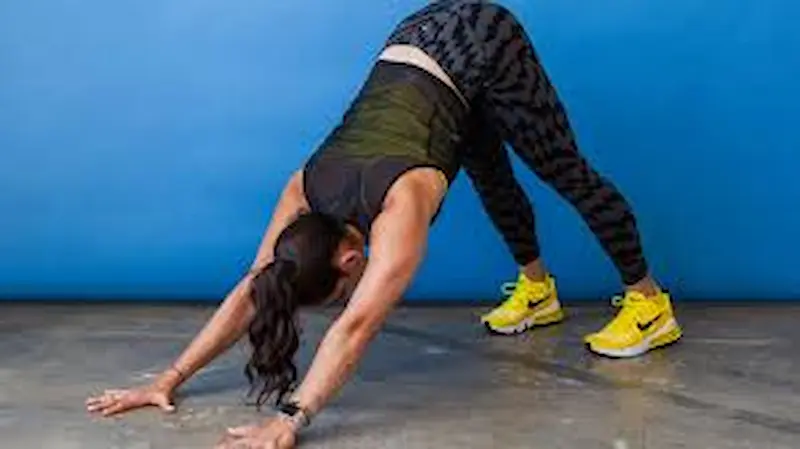
One of the biggest mistakes people make is stretching without warming up. When your muscles are cold, they’re tighter and more prone to injury. Always spend at least 5–10 minutes warming up before stretching.
You can do this by:
- Taking a brisk walk or light jog
- Doing some jumping jacks or arm circles
- Gently moving your body in all directions
This gets blood flowing to your muscles, increases body temperature, and prepares your joints for deeper stretches. Think of it like preheating your muscles before they become flexible.
2. Stretch Every Day for the Best Results
Flexibility isn’t something you achieve overnight. It’s all about consistency. Even 10 minutes of stretching daily can bring noticeable improvements over a few weeks.
Create a small daily routine — for example:
- Morning: Do a few dynamic stretches to wake up your body.
- Evening: End your day with static stretches to relax your muscles.
Consistency is what turns stiffness into smooth, flexible movement.
3. Hold Each Stretch for at Least 30 Seconds
If you rush through your stretches, your muscles won’t have time to relax and lengthen. The key is to hold each stretch for 20–30 seconds, sometimes longer if it feels good.
Here’s how:
- Get into the stretch position slowly.
- Once you feel mild tension, stop there.
- Breathe deeply and stay still.
Don’t bounce or jerk your body — that can cause micro-tears in your muscles. Gentle, steady pressure works far better.
You may also like it:
Simple Salad Recipes for Daily Diet | Healthy & Tasty Meals
Nutritious Dinner Recipes for Family – A Complete Guide
Easy Exercises for Full Body Fitness | No Equipment Needed
Home Workout Routines Without Equipment | Get Fit at Home
4. Use Deep Breathing to Improve Your Stretch
Breathing is often overlooked, but it’s one of the best stretching tips for flexibility. When you hold your breath, your muscles tense up, making it harder to stretch. Instead, focus on calm, deep breathing.
Try this:
- Inhale deeply through your nose for 3–4 seconds.
- Exhale slowly through your mouth for 5–6 seconds.
- As you exhale, relax and gently go a little deeper into the stretch.
Your breath signals your body to relax, helping you reach new levels of flexibility naturally.
5. Mix Dynamic and Static Stretching
There are two main types of stretches:
- Dynamic stretching – involves movement (e.g., leg swings, arm rotations, torso twists). Great before workouts to prepare your body.
- Static stretching – involves holding a position (e.g., touching your toes, butterfly pose). Perfect after workouts to improve flexibility and relax muscles.
Combining both types gives you the best of both worlds — strength, mobility, and lasting flexibility.
6. Target All Major Muscle Groups
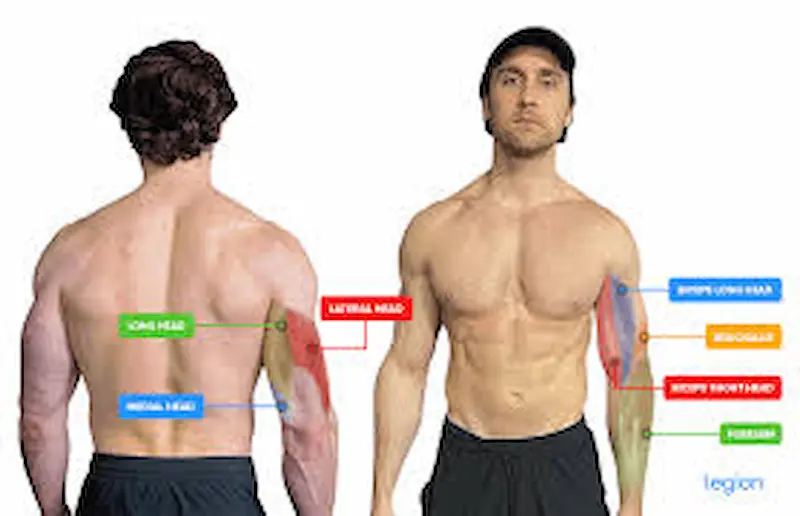
It’s tempting to only stretch where you feel tight, but your body works as a system. Focus on all major muscle groups to maintain balance. Key areas to stretch include:
- Hamstrings: For better posture and reduced lower back pain.
- Hip flexors: To relieve tightness from sitting.
- Calves: For smoother walking and running.
- Shoulders and neck: To ease upper body tension.
- Back: To improve mobility and prevent stiffness.
Balanced stretching keeps your body aligned and prevents one area from overcompensating for another.
7. Never Force a Stretch
Stretching shouldn’t be painful. If you feel sharp or intense pain, stop immediately. Flexibility improves gradually — forcing it can lead to injury. You should feel a gentle pull, not discomfort.
Remember: progress in flexibility comes from patience, not pushing.
8. Stay Consistent and Track Progress
Like any fitness goal, flexibility improves when you track your progress. Try taking note of:
- How far you can reach
- How comfortable your body feels in each position
- Which stretches feel easier over time
Seeing improvement keeps you motivated and helps you identify areas that need more attention.
9. Try Yoga or Pilates
If you find stretching routines boring, yoga and Pilates are great alternatives. They not only increase flexibility but also strengthen your core, improve posture, and calm your mind.
You can start with beginner-friendly yoga poses like:
- Downward Dog: Great for hamstrings and shoulders.
- Cat-Cow: Loosens the spine.
- Child’s Pose: Stretches your back and hips.
- Cobra Pose: Opens the chest and strengthens the spine.
Doing yoga 2–3 times a week can transform how flexible and relaxed your body feels.
10. Drink Water and Stay Hydrated
Hydration affects your flexibility more than you might think. Muscles are made mostly of water, and when you’re dehydrated, they become stiff and prone to cramping.
Drink water throughout the day — especially before and after your stretching sessions — to keep your muscles supple and healthy.
11. Stretch After Every Workout
After you exercise, your muscles are warm and pliable — making it the perfect time to stretch. This helps release tension, improves recovery, and reduces soreness.
Try to spend at least 10 minutes cooling down with gentle stretches after each workout. Your body will thank you later.
12. Listen to Your Body
The most important thing you can do is listen to what your body tells you. Everyone’s flexibility journey is different. What works for one person might take longer for another — and that’s perfectly fine.
Celebrate small wins, like being able to bend a little further or hold a stretch longer. With time and patience, your body will adapt beautifully.
Final Thoughts
Improving flexibility isn’t about forcing your body into extreme positions — it’s about helping your muscles move more freely and comfortably. With these best stretching tips for flexibility, you can develop a routine that fits your lifestyle and supports your body’s needs.
Start slow, stay consistent, and make stretching a daily habit. Before you know it, you’ll notice smoother movement, better posture, and a more relaxed body overall.
FAQs
1. How long does it take to become more flexible?
It varies from person to person. With consistent stretching (around 10–15 minutes daily), most people notice improvement within 3–4 weeks. Patience and regular practice are key.
2. Should I stretch every day or only after workouts?
You can stretch every day! Daily stretching helps maintain mobility and prevents stiffness, especially if you sit for long hours. Just make sure to stretch gently on rest days.
3. Is it better to stretch before or after exercise?
Both are important — but for different reasons. Do dynamic stretches before workouts to warm up and static stretches after workouts to cool down and increase flexibility.
4. Can stretching help with muscle pain or soreness?
Yes, gentle stretching can reduce muscle tension and improve blood flow, which helps ease soreness. However, avoid deep stretching if your muscles are very sore — light movements are better in that case.
5. What’s the difference between dynamic and static stretching?
Dynamic stretching involves movement (like leg swings or arm circles) and prepares your muscles for activity.
Static stretching involves holding a position (like a seated toe touch) and is best for improving flexibility after exercise.