

When it comes to maintaining good health, vitamins and minerals play a vital role. These essential nutrients support your body’s growth, repair, and overall functioning. They may be needed in small amounts, but their impact is huge. Without them, your body simply can’t perform at its best.
In this detailed guide, we’ll discuss the importance of vitamins and minerals, their main types, sources, and how they keep your body healthy and energized.
1. Why Are Vitamins and Minerals Important?
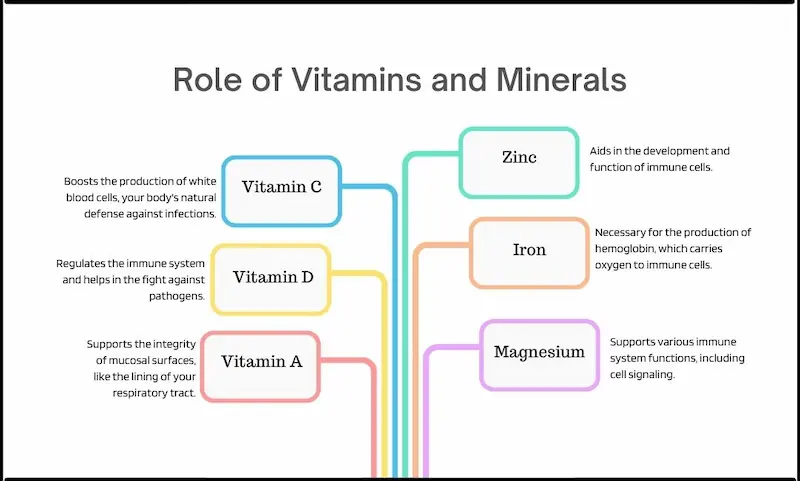
Vitamins and minerals are known as micronutrients, meaning your body needs them in smaller amounts compared to macronutrients like proteins, carbohydrates, and fats. However, they are crucial for:
- Supporting the immune system
- Strengthening bones and teeth
- Producing energy from food
- Healing wounds and repairing tissues
- Maintaining brain and heart health
Without adequate intake, you may experience fatigue, poor concentration, weak immunity, and a higher risk of illnesses.
2. Understanding Vitamins: Types and Functions
Vitamins are organic compounds that your body needs to function properly. They are divided into two main categories: fat-soluble and water-soluble vitamins.
Fat-Soluble Vitamins (A, D, E, K)
These vitamins are stored in the body’s fat tissues and liver for later use.
- Vitamin A: Improves vision, supports the immune system, and promotes healthy skin.
Sources: Carrots, spinach, sweet potatoes, and eggs. - Vitamin D: Strengthens bones by helping the body absorb calcium.
Sources: Sunlight, fish, fortified milk, and egg yolks. - Vitamin E: Acts as an antioxidant, protecting cells from damage.
Sources: Nuts, seeds, and green leafy vegetables. - Vitamin K: Helps with blood clotting and bone health.
Sources: Broccoli, kale, and Brussels sprouts.
Water-Soluble Vitamins (B-complex and C)
These vitamins dissolve in water and are not stored in the body, so they must be consumed regularly.
- Vitamin B1 (Thiamine): Helps convert food into energy.
Sources: Whole grains, beans, and nuts. - Vitamin B2 (Riboflavin): Maintains healthy skin and vision.
Sources: Eggs, milk, and leafy greens. - Vitamin B3 (Niacin): Aids in digestion and nerve function.
Sources: Chicken, fish, and peanuts. - Vitamin B6: Supports brain development and immune function.
Sources: Bananas, potatoes, and chickpeas. - Vitamin B12: Vital for red blood cell formation and nerve health.
Sources: Meat, fish, and dairy. - Vitamin C: Boosts immunity, aids in collagen production, and acts as an antioxidant.
Sources: Citrus fruits, strawberries, and bell peppers.
You may also like it:
Simple Salad Recipes for Daily Diet | Healthy & Tasty Meals
Nutritious Dinner Recipes for Family – A Complete Guide
Easy Exercises for Full Body Fitness | No Equipment Needed
Home Workout Routines Without Equipment | Get Fit at Home
3. Key Minerals and Their Role in the Body
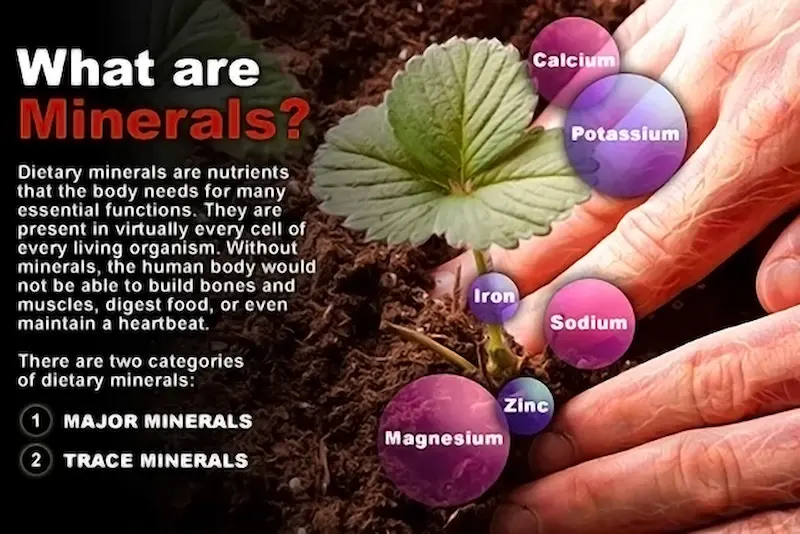
Minerals are inorganic substances found in soil and water, absorbed by plants and animals. They are categorized as macrominerals (needed in larger amounts) and trace minerals (needed in smaller quantities).
Macrominerals
- Calcium: Builds strong bones and teeth, supports nerve function, and muscle movement.
Sources: Milk, cheese, yogurt, and leafy greens. - Magnesium: Regulates muscle and nerve function and supports heart health.
Sources: Whole grains, nuts, and spinach. - Potassium: Balances fluids, supports muscle contractions, and regulates heartbeat.
Sources: Bananas, potatoes, and oranges. - Sodium: Maintains fluid balance and nerve transmission.
Sources: Salt, processed foods (should be consumed in moderation). - Phosphorus: Works with calcium to build strong bones and teeth.
Sources: Meat, fish, eggs, and dairy.
Trace Minerals
- Iron: Essential for making hemoglobin, which carries oxygen in the blood.
Sources: Red meat, lentils, and spinach. - Zinc: Aids in wound healing and supports immune function.
Sources: Meat, shellfish, nuts, and seeds. - Iodine: Helps produce thyroid hormones for metabolism regulation.
Sources: Iodized salt, seafood, and dairy. - Selenium: Protects cells from damage and supports the immune system.
Sources: Brazil nuts, eggs, and fish.
4. Signs of Vitamin and Mineral Deficiency
When your body lacks essential nutrients, it can show warning signs such as:
- Constant fatigue or weakness
- Dry skin or brittle nails
- Hair loss
- Poor concentration or memory
- Frequent illness
- Muscle cramps or bone pain
If you notice any of these, it may be worth reviewing your diet or consulting a healthcare professional.
5. How to Get Enough Vitamins and Minerals Naturally
The best way to get all the nutrients your body needs is through a balanced diet. Here are some practical tips:
- Eat a rainbow of fruits and vegetables to cover all nutrient groups.
- Include whole grains and lean proteins for vitamins B and iron.
- Add nuts, seeds, and healthy fats for vitamin E and magnesium.
- Stay hydrated, as water helps transport nutrients throughout your body.
- Limit processed foods, which are often low in nutrients but high in sodium and sugar.
6. Should You Take Vitamin and Mineral Supplements?
While supplements can help fill nutritional gaps, they should not replace whole foods. It’s best to get nutrients naturally through your diet. However, certain groups may need supplements, such as:
- Pregnant women (for folic acid and iron)
- Vegans or vegetarians (for vitamin B12)
- Older adults (for vitamin D and calcium)
Always consult a doctor before taking supplements to avoid overdosing or interactions with medications.
7. Maintaining a Balanced Nutrient Intake
Balance is key. Both deficiencies and excesses can harm your health. Overconsumption of certain vitamins, like A or D, can be toxic, while a lack of them can cause serious health problems. A varied diet ensures you get just the right amount of each nutrient.
Final Thoughts
Vitamins and minerals are the building blocks of good health. They may not provide energy like carbohydrates or fats, but they make it possible for your body to use that energy effectively. From supporting brain function to strengthening your bones and boosting immunity, these nutrients are essential for every aspect of your well-being.
The key is balance—eating a wide variety of nutrient-rich foods and making mindful choices daily. Remember, a healthy body begins with the right nutrition.
FAQs About Importance of Vitamins and Minerals
1. Can I get all the vitamins and minerals I need from food?
Yes, most people can meet their nutritional needs through a balanced diet that includes fruits, vegetables, whole grains, proteins, and healthy fats.
2. What happens if I consume too many vitamins or minerals?
Excess intake, especially from supplements, can cause health issues such as nausea, toxicity, or organ damage. Always follow recommended doses.
3. Which vitamin is most important for the immune system?
Vitamin C, D, and zinc play major roles in strengthening the immune system and protecting against infections.
4. Are multivitamins a good substitute for a healthy diet?
No, multivitamins can supplement but not replace a balanced diet. Whole foods contain fiber and other compounds not found in pills.
5. How can I know if I’m deficient in any vitamin or mineral?
Blood tests and professional medical assessments can identify deficiencies. Common signs include fatigue, weak nails, or frequent illness.