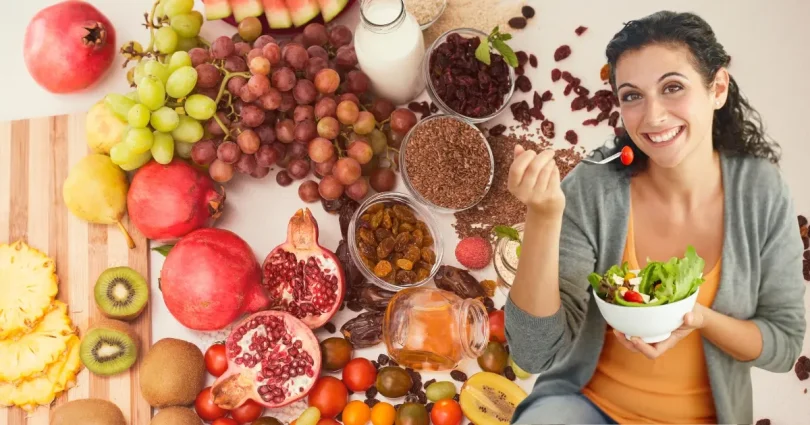

Eating well is more than a diet; it’s a lifestyle. Healthy eating habits for daily life don’t mean strict rules, expensive foods, or counting calories obsessively. Instead, they focus on making simple, sustainable choices that nourish your body, improve energy levels, and enhance overall well-being.
Over time, these habits help prevent lifestyle diseases, maintain a healthy weight, and boost your mood and productivity.
This guide will provide you with practical, actionable tips for adopting healthy eating habits that you can follow every day.
1. Start Your Day with a Nutritious Breakfast

Breakfast is the most important meal of the day because it breaks your overnight fast and fuels your body for morning activities. Skipping breakfast can lead to low energy, cravings later in the day, and overeating at lunch.
Healthy breakfast ideas include:
- Oatmeal topped with fresh fruits, chia seeds, and nuts
- Whole-grain toast with eggs and avocado
- Greek yogurt with berries and a sprinkle of granola
- Smoothies made with spinach, banana, and milk
A good breakfast provides a mix of protein, healthy fats, and complex carbohydrates, giving you energy and keeping you full until your next meal.
2. Eat More Whole and Unprocessed Foods
Whole foods—fruits, vegetables, whole grains, lean proteins, and nuts—are rich in essential nutrients, fiber, and antioxidants. Processed foods, on the other hand, often contain excess sugar, salt, and unhealthy fats, which can harm your health over time.
Tips for including more whole foods:
- Replace white bread with whole-grain bread or oats
- Snack on fruits, nuts, or homemade granola instead of chips or cookies
- Use fresh herbs and spices instead of pre-made sauces
The closer a food is to its natural state, the more nutrients it typically contains.
3. Focus on Balanced Meals
A balanced meal provides a combination of carbohydrates, proteins, and fats along with vitamins and minerals. This ensures your body gets all the nutrients it needs for energy, muscle repair, and overall health.
A simple plate guideline:
- Half your plate: Fruits and vegetables
- One-quarter: Lean proteins (chicken, fish, lentils, tofu)
- One-quarter: Whole grains (brown rice, oats, quinoa)
- Add: A small portion of healthy fats (avocado, nuts, olive oil)
Balancing your plate prevents nutrient deficiencies, stabilizes blood sugar levels, and keeps you feeling satisfied longer.
4. Practice Portion Control
Portion control is crucial for maintaining a healthy weight. Even healthy foods can contribute to weight gain if eaten in excess.
Strategies for portion control:
- Use smaller plates and bowls to naturally reduce your servings
- Avoid eating directly from packaging to prevent overeating
- Stop eating when you feel satisfied, not stuffed
By being mindful of portion sizes, you can enjoy all your favorite foods without guilt while maintaining a healthy calorie intake.
You may also like it:
Simple Salad Recipes for Daily Diet | Healthy & Tasty Meals
Nutritious Dinner Recipes for Family – A Complete Guide
Easy Exercises for Full Body Fitness | No Equipment Needed
Home Workout Routines Without Equipment | Get Fit at Home
5. Stay Hydrated
Water is essential for digestion, nutrient transport, and energy production. Dehydration can lead to fatigue, headaches, and poor concentration.
Tips for staying hydrated:
- Drink at least 8–10 glasses of water daily
- Carry a reusable water bottle with you
- Include hydrating foods like watermelon, cucumber, and oranges
- Herbal teas or infused water can make hydration more enjoyable
Proper hydration supports metabolism and helps curb unnecessary snacking caused by mistaking thirst for hunger.
6. Include Protein in Every Meal

Protein is essential for repairing tissues, building muscles, and keeping you full. Including protein in every meal can reduce cravings, support muscle health, and improve energy levels.
Protein-rich options:
- Eggs, chicken, fish, lean beef
- Lentils, beans, tofu, chickpeas
- Greek yogurt, cottage cheese, nuts, and seeds
Aim for a variety of protein sources throughout the day to get all essential amino acids.
7. Eat More Fiber
Fiber-rich foods are crucial for digestion, regulating blood sugar, and maintaining a healthy weight. They also help you feel full longer, reducing the urge to snack.
High-fiber foods include:
- Oats, whole grains, and quinoa
- Fruits like apples, berries, and pears
- Vegetables like spinach, broccoli, and carrots
- Legumes like lentils, beans, and chickpeas
Fiber also supports a healthy gut microbiome, which is linked to better immunity and mental health.
8. Limit Sugar and Processed Foods
Excess sugar contributes to energy crashes, weight gain, and chronic diseases such as diabetes and heart disease. Processed foods often contain hidden sugars, unhealthy fats, and low-quality carbohydrates.
Healthy alternatives:
- Swap sugary drinks for water, herbal tea, or infused water
- Replace candy or pastries with fruits or dark chocolate
- Cook at home to control ingredients and reduce hidden sugar
Reducing processed foods and sugar intake gradually is more sustainable than attempting a complete elimination.
9. Eat Mindfully
Mindful eating means paying full attention to what you eat—flavors, textures, and your body’s signals of hunger and fullness.
Tips for mindful eating:
- Avoid distractions like phones or TV while eating
- Chew slowly and savor each bite
- Pause between bites to check your fullness level
Mindful eating prevents overeating, improves digestion, and helps you enjoy food more.
10. Plan Your Meals
Meal planning makes it easier to stick to healthy eating habits, saves time, and reduces reliance on fast food.
Meal planning tips:
- Prepare meals in advance for the week
- Keep healthy snacks ready, like cut vegetables, fruits, or nuts
- Create a grocery list to avoid buying unnecessary processed foods
Planning ahead ensures you always have nutritious options available and reduces the temptation to reach for unhealthy meals.
11. Cook at Home More Often
Home-cooked meals allow you to control ingredients, portion sizes, and preparation methods. Cooking at home also encourages experimentation with new foods and flavors.
Simple cooking tips:
- Use steaming, baking, or grilling instead of frying
- Incorporate more vegetables into every dish
- Experiment with herbs and spices to reduce salt and sugar
Cooking at home is one of the most effective ways to maintain healthy eating habits consistently.
12. Enjoy Treats in Moderation
Healthy eating doesn’t mean never enjoying your favorite foods. Occasional treats are okay, as long as they don’t replace balanced meals or become a daily habit.
Moderation is key:
- Have dessert or snacks once in a while
- Practice portion control when indulging
- Balance indulgent meals with healthy choices throughout the day
This approach prevents feelings of deprivation and makes healthy eating more sustainable.
13. Get Enough Sleep and Manage Stress
Sleep and stress levels directly affect your eating habits. Poor sleep increases cravings for unhealthy foods, while high stress can lead to emotional eating.
Tips for better sleep and stress management:
- Aim for 7–8 hours of quality sleep each night
- Practice relaxation techniques like meditation, yoga, or deep breathing
- Maintain a consistent sleep schedule
A well-rested body naturally makes better food choices and maintains energy levels.
14. Incorporate Variety and Color
A colorful plate ensures a wide range of nutrients. Different colors in fruits and vegetables provide various vitamins, minerals, and antioxidants.
Examples:
- Red: tomatoes, strawberries, red peppers
- Orange: carrots, sweet potatoes, oranges
- Green: spinach, broccoli, cucumbers
- Purple: blueberries, eggplant, grapes
Variety also keeps meals interesting and encourages a nutrient-rich diet.
15. Practice Long-Term Consistency
Healthy eating is about lifestyle, not temporary diets. Focus on small, manageable changes and gradually build a consistent routine. Over time, these habits will become second nature and provide lifelong benefits.
Sample Daily Meal Plan for Healthy Eating Habits
- Breakfast: Oatmeal with banana, chia seeds, and almonds
- Mid-Morning Snack: Apple and a handful of walnuts
- Lunch: Grilled chicken with quinoa and steamed vegetables
- Afternoon Snack: Greek yogurt with berries
- Dinner: Baked salmon with brown rice and sautéed spinach
- Before Bed: Herbal tea or a glass of milk
This plan balances protein, healthy fats, fiber, and vitamins for optimal energy and nutrition throughout the day.
FAQs About Healthy Eating Habits for Daily Life
1. How can I start eating healthier daily?
Start small—add more fruits and vegetables, reduce sugary drinks, and swap processed snacks for healthier options.
2. How often should I eat snacks?
Healthy snacks between meals are fine, but focus on nutrient-rich choices like nuts, fruits, or yogurt.
3. Can I eat my favorite foods while eating healthy?
Yes, enjoy treats occasionally in moderation. Balance is more important than perfection.
4. How do I avoid overeating?
Practice portion control, eat slowly, and stop when satisfied. Mindful eating is essential.
5. Does meal planning help with healthy eating?
Absolutely. Planning meals ensures you always have nutritious options and reduces impulsive unhealthy choices.
Conclusion
Adopting healthy eating habits for daily life is about making sustainable, mindful choices that nourish your body and mind. By focusing on balanced meals, staying hydrated, including a variety of nutrient-rich foods, and practicing moderation, you can maintain energy, improve focus, and support overall well-being. Remember, healthy eating is not about strict rules or perfection—it’s about consistency and small, positive changes. Over time, these habits will become second nature, helping you enjoy better health, enhanced productivity, and a happier, more energetic lifestyle.