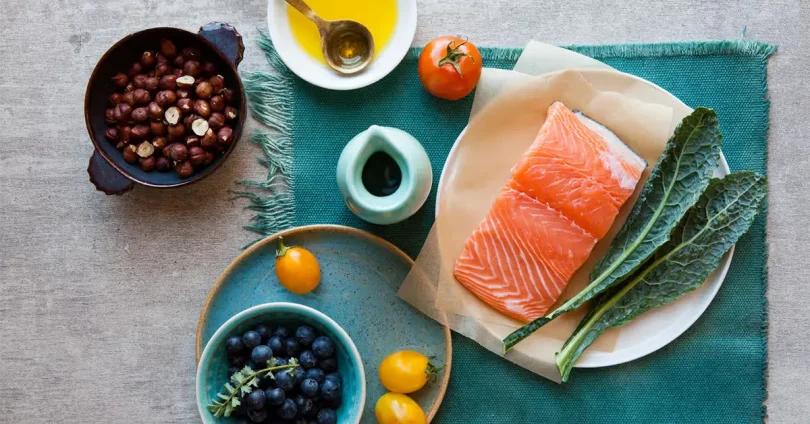

Living a healthy life starts with what you put on your plate. Food fuels your body, supports your energy levels, and even affects your mood. But with so much confusing advice out there, it’s easy to get lost. Don’t worry — you don’t need to follow a strict diet or give up your favorite foods to stay healthy. You just need to understand the basics of good nutrition and make small, consistent changes.
In this guide, we’ll talk about basic nutrition tips for healthy living — simple, practical, and realistic advice you can actually follow every day
1. Start Your Day Right with a Healthy Breakfast

Breakfast really is the most important meal of the day. After hours of sleep, your body needs energy to get going. A balanced breakfast jumpstarts your metabolism and keeps you focused.
Try a mix of protein, whole grains, and fruits — for example, oatmeal with berries, a boiled egg with whole wheat toast, or Greek yogurt with honey and nuts. Avoid sugary cereals or pastries that can cause energy crashes later.
2. Eat More Whole and Natural Foods
One of the easiest nutrition tips for healthy living is to eat food in its most natural state. Whole foods — like fruits, vegetables, whole grains, lean meats, and legumes — are packed with vitamins, minerals, and fiber.
Processed foods, on the other hand, often contain hidden sugars, unhealthy fats, and additives. Try replacing packaged snacks with nuts, seeds, or fruit. You’ll feel fuller and more energized throughout the day.
3. Stay Hydrated — Water Is Your Best Friend
Your body is made up mostly of water, so it’s no surprise that staying hydrated is key to good health. Water helps with digestion, nutrient absorption, and temperature control.
Make it a habit to drink 8 glasses of water a day. Carry a reusable bottle wherever you go, and if plain water feels boring, infuse it with lemon, mint, or cucumber slices. Try to limit sugary drinks like soda or energy drinks — they add empty calories without real nutrition.
4. Practice Portion Control
Even healthy food can become unhealthy when eaten in excess. That’s why portion control is crucial. Instead of eating until you feel stuffed, stop when you’re about 80% full.
Use smaller plates, eat slowly, and focus on your food rather than watching TV or scrolling your phone. This helps your brain register fullness and prevents overeating.
You may also like it:
Simple Salad Recipes for Daily Diet | Healthy & Tasty Meals
Nutritious Dinner Recipes for Family – A Complete Guide
Easy Exercises for Full Body Fitness | No Equipment Needed
Home Workout Routines Without Equipment | Get Fit at Home
5. Reduce Sugar and Salt Intake
Many of us consume too much sugar and salt without realizing it. Processed snacks, sauces, and drinks are often loaded with them.
To cut down, read food labels carefully. Choose unsweetened or low-sodium options whenever possible. Replace sugary desserts with fruit, and use herbs and spices to flavor your food instead of relying on salt.
6. Eat More Fiber-Rich Foods
Fiber keeps your digestive system healthy and helps prevent constipation. It also helps regulate blood sugar levels and can lower cholesterol.
Great sources of fiber include:
- Whole grains like oats, quinoa, and brown rice
- Vegetables like broccoli, carrots, and spinach
- Fruits like apples, bananas, and pears
- Legumes like lentils, chickpeas, and beans
Aim to include some fiber in every meal — your body will thank you for it!
7. Don’t Skip Meals

Skipping meals might seem like a shortcut to weight loss, but it often backfires. When you skip a meal, your metabolism slows down, and you’re more likely to overeat later.
Try eating small, balanced meals throughout the day to maintain steady energy levels. Include a mix of protein, carbs, and healthy fats to keep yourself full and satisfied.
8. Include Protein in Every Meal
Protein isn’t just for athletes — it’s essential for everyone. It helps build and repair tissues, supports muscle health, and keeps you full for longer periods.
Good protein sources include chicken, eggs, tofu, beans, lentils, fish, and Greek yogurt. If you’re vegetarian, make sure you combine different plant proteins like rice and beans to get all essential amino acids.
9. Plan and Prepare Your Meals
One of the biggest reasons people end up eating unhealthy food is convenience. When you’re hungry and short on time, fast food feels like the easiest option. But with a little planning, you can avoid that.
Meal prep on weekends — cook grains, chop veggies, and prepare simple proteins in advance. Store them in containers so you can quickly put together healthy meals during the week. This saves time, money, and a lot of regret.
10. Practice Mindful Eating
Mindful eating means paying attention to your food and enjoying every bite. When you eat slowly and without distractions, you become more aware of your hunger and fullness levels.
Try to sit down at a table, chew your food properly, and avoid screens while eating. Not only does this improve digestion, but it also helps you build a healthier relationship with food.
11. Maintain Balance — It’s Not About Perfection
Let’s be honest — nobody eats perfectly all the time. And that’s okay! The key to healthy living is balance, not restriction. It’s fine to enjoy your favorite burger or dessert occasionally.
The goal is to make healthy choices most of the time and not feel guilty about treats once in a while. Remember, consistency matters more than perfection.
Final Thoughts
Good nutrition doesn’t have to be complicated. By following these basic nutrition tips for healthy living, you’ll build habits that support your energy, mood, and long-term wellness. Start small — drink more water, add an extra serving of veggies, or switch to whole grains. Over time, these little changes will lead to big improvements in your health.
Healthy living is a journey, not a race. Take it one step at a time, and you’ll start feeling better both inside and out.
FAQs About Basic Nutrition Tips for Healthy Living
1. What are the most important nutrients for a healthy body?
The key nutrients include carbohydrates, proteins, fats, vitamins, minerals, and water. Each plays a unique role in maintaining your health and energy.
2. How can I make my diet healthier without giving up my favorite foods?
Focus on moderation. You don’t need to eliminate your favorite foods — just balance them with nutritious choices and smaller portions.
3. How much water should I drink daily?
Generally, 8 glasses (around 2 liters) per day is ideal. However, you might need more if you’re very active or live in a hot climate.
4. Is eating three meals a day enough?
Yes, as long as your meals are balanced. You can also include healthy snacks between meals if you get hungry, such as fruits or nuts.
5. How do I control my cravings for junk food?
Cravings often come from hunger or dehydration. Try drinking water first, eating fiber-rich meals, and getting enough sleep — all of which help reduce junk food cravings.