

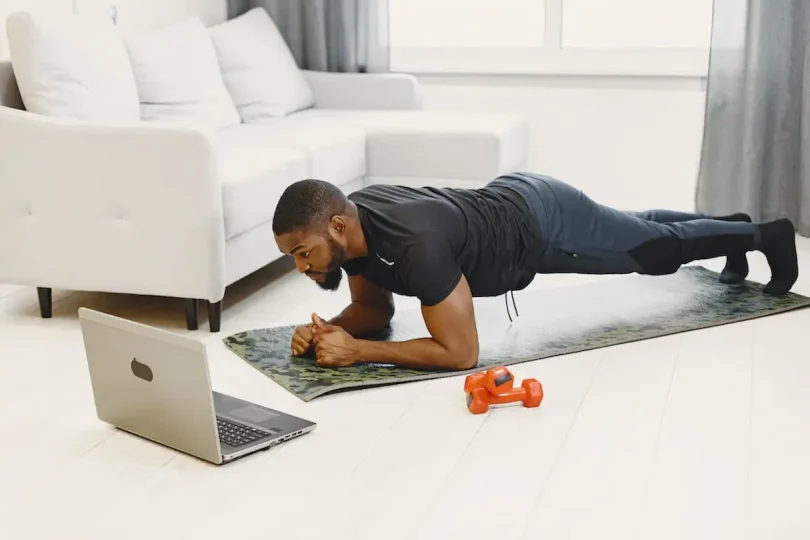

In today’s fast-paced world, it’s easy for fitness to take a back seat. Between meetings, household chores, and family responsibilities, finding time to work out can seem nearly impossible.
But staying healthy doesn’t require long gym sessions or expensive equipment. With the right mindset and a structured approach, you can create a simple fitness plan for busy people that fits your lifestyle and keeps you active every day.
This guide will help you design an easy, sustainable plan that promotes fitness, boosts energy, and improves mental well-being — even with the tightest schedule.
Why Busy People Need a Fitness Plan

When your schedule is full, exercise often feels like a luxury. However, regular physical activity isn’t just about building muscles — it’s about maintaining overall health.
Here’s why it matters:
- Boosts energy levels: Even a 15-minute workout can increase blood circulation and help you stay alert throughout the day.
- Reduces stress: Exercise releases endorphins, the body’s natural stress-relieving hormones.
- Improves focus and productivity: Active individuals perform better at work and handle challenges calmly.
- Supports long-term health: Regular movement helps prevent obesity, diabetes, heart disease, and joint problems.
The good news is — you don’t need to dedicate hours daily. Small, consistent efforts can make a huge difference over time.
1. Set Clear and Achievable Goals
Before starting, decide what you want to achieve. Do you want to lose weight, build strength, or just stay active?
Set SMART goals — Specific, Measurable, Achievable, Relevant, and Time-bound. For example:
- “I’ll work out for 20 minutes every morning before breakfast.”
- “I’ll walk 7,000 steps a day for the next two weeks.”
Writing your goals down keeps you accountable and motivated.
2. Prioritize Short, Effective Workouts
Busy schedules often leave little room for long workouts, but that’s not a problem. You can stay fit with short yet effective sessions.
Here are a few time-saving approaches:
- High-Intensity Interval Training (HIIT): Alternate between 30 seconds of high effort (e.g., jumping jacks, burpees) and 15 seconds of rest. A 15-minute HIIT session can burn as many calories as a 45-minute walk.
- Circuit Training: Perform a series of bodyweight exercises (like squats, lunges, and planks) with minimal rest.
- Tabata Workouts: 4-minute routines using 20 seconds of intense exercise followed by 10 seconds of rest.
You can complete any of these routines at home or even during your lunch break.
You may also like it:
Simple Salad Recipes for Daily Diet | Healthy & Tasty Meals
Nutritious Dinner Recipes for Family – A Complete Guide
Easy Exercises for Full Body Fitness | No Equipment Needed
Home Workout Routines Without Equipment | Get Fit at Home
3. Plan Your Week Ahead
Planning is key for consistency. Use Sundays to map out your weekly activities.
Here’s a sample weekly schedule for busy individuals:
| Day | Workout | Duration |
| Monday | Full-body HIIT | 20 mins |
| Tuesday | Brisk walk or stair climbing | 25 mins |
| Wednesday | Core workout (planks, crunches, leg raises) | 15 mins |
| Thursday | Yoga or stretching | 20 mins |
| Friday | Strength training (bodyweight) | 20 mins |
| Saturday | Outdoor activity (hiking, cycling, swimming) | 40 mins |
| Sunday | Rest or light stretching | — |
Even if you can’t follow it perfectly, having a schedule gives direction and makes you less likely to skip workouts.
You may also like it:
Simple Salad Recipes for Daily Diet | Healthy & Tasty Meals
Nutritious Dinner Recipes for Family – A Complete Guide
Easy Exercises for Full Body Fitness | No Equipment Needed
Home Workout Routines Without Equipment | Get Fit at Home
4. Make Movement Part of Your Routine
You don’t need a gym to stay active. The trick is to move more throughout your day:
- Take the stairs instead of the elevator.
- Walk while talking on the phone.
- Stretch during work breaks.
- Do calf raises or squats while brushing your teeth.
- Park farther away and walk the extra distance.
These mini movements keep your body engaged and help burn calories passively.
5. Try the 15-Minute Full-Body Workout
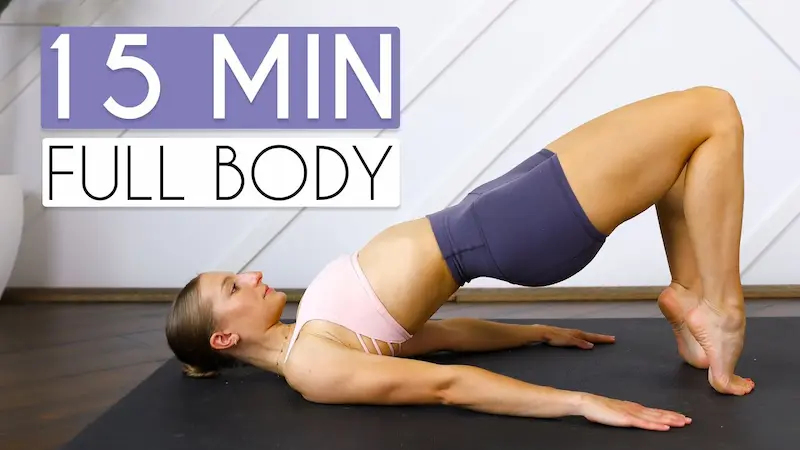
Here’s a sample 15-minute simple fitness plan for busy people that requires no equipment:
Warm-Up (3 minutes):
- Jumping jacks – 30 seconds
- Arm circles – 30 seconds
- Leg swings – 30 seconds
- Jog in place – 1 minute
Workout (10 minutes):
- 15 squats
- 10 push-ups
- 10 lunges (each leg)
- 20 mountain climbers
- 15-second plank hold
Repeat the circuit 2–3 times, resting 30 seconds between rounds.
Cool Down (2 minutes):
Stretch your hamstrings, shoulders, and back to relax muscles and improve flexibility.
6. Eat Smart for Better Results
A good diet supports your fitness goals. You can’t out-train poor eating habits, especially when time is short.
Follow these nutrition tips:
- Meal prep: Cook simple meals in advance for the week to avoid fast food.
- Snack wisely: Keep fruits, nuts, and yogurt handy for energy boosts.
- Stay hydrated: Drink at least 6–8 glasses of water daily.
- Avoid processed foods: Choose whole grains, lean proteins, and fresh vegetables instead.
Balanced eating complements your workouts and keeps your body energized.
7. Use Technology as Your Fitness Partner
Apps and gadgets can help you stay consistent even when busy.
Try:
- Google Fit / Apple Health: Track steps and daily activity.
- 7-Minute Workout App: Quick, guided routines for time-crunched users.
- MyFitnessPal: Monitor calorie intake and progress.
These tools serve as gentle reminders and keep your motivation high.
8. Make Fitness Social
If you struggle with motivation, involve others. Join a walking group, find a workout buddy, or invite family members for an evening walk. Social fitness not only keeps you consistent but also adds fun and accountability.
9. Don’t Neglect Rest and Sleep
Busy people often underestimate rest. However, recovery is essential for muscle repair and energy renewal.
Aim for 7–8 hours of quality sleep each night. Poor sleep can reduce your focus, slow metabolism, and increase stress hormones.
Also, take at least one rest day per week to let your body heal and avoid burnout.
10. Stay Consistent and Celebrate Progress
Consistency beats intensity. Even if you only manage 15 minutes a day, doing it regularly will deliver lasting results.
Track your progress — whether it’s weight loss, strength improvement, or increased energy — and reward yourself for small victories.
Remember, fitness is not about perfection; it’s about making progress step by step.
Conclusion
A simple fitness plan for busy people doesn’t require hours at the gym or major lifestyle changes. It’s about finding balance and making small, consistent choices that move you closer to a healthier life.
By focusing on short, effective workouts, eating smart, and staying active throughout the day, you can maintain great physical and mental health — even with a demanding schedule. Start small, stay dedicated, and you’ll soon notice the transformation in your energy, focus, and confidence.
FAQs
Q1. Can I get fit by exercising only 15–20 minutes a day?
Yes. Consistent short workouts can build strength, improve cardiovascular health, and enhance stamina over time.
Q2. What’s the best workout for busy people?
High-Intensity Interval Training (HIIT), bodyweight exercises, and walking are great for quick, full-body workouts.
Q3. How can I exercise if I work long hours?
Incorporate movement into your daily routine — take stairs, walk during breaks, or do desk stretches.
Q4. How long will it take to see results?
Visible results often appear within 4–8 weeks of consistent effort, depending on diet and workout intensity.
Q5. Is it okay to work out every day?
Yes, as long as you vary intensity and include rest days to allow muscle recovery.


