



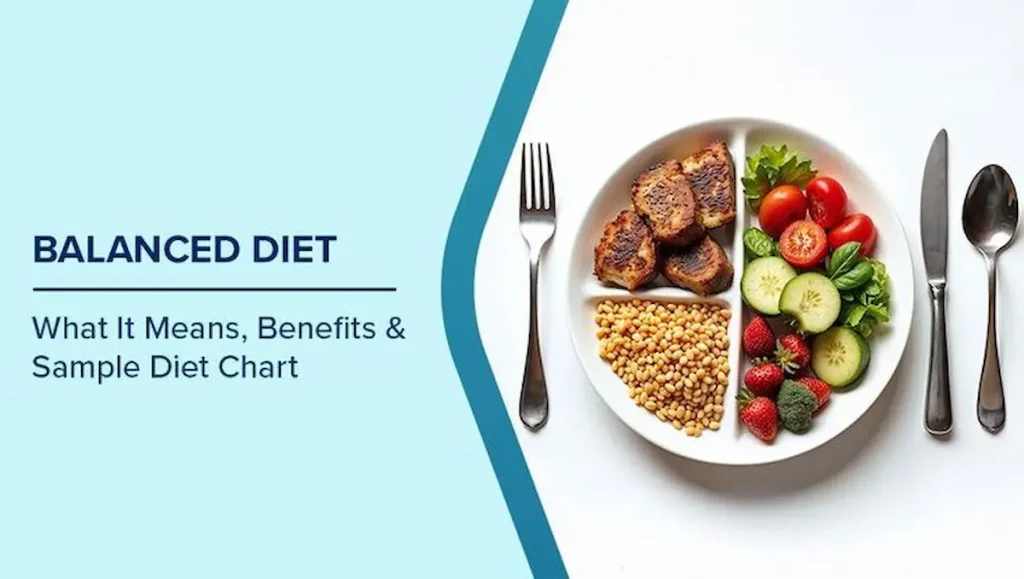
Healthy eating has an image problem: it is marketed as expensive. Salmon, quinoa, cold-pressed oils, and berries flown in out of season fill the social media version of a good diet, and anyone shopping on a tight budget can be forgiven for concluding that nutrition is a luxury. It isn’t. In almost every country, the cheapest foods in the shop — lentils, oats, eggs, cabbage, carrots, frozen peas, tinned tomatoes — are also among the most nutritious. A balanced diet on a budget is mostly a skills problem, not a money problem: knowing which staples carry which nutrients, and building a week of meals around them before you buy anything else.
Build the Plate From Cheap Anchors
Start with the foods that give you the most nutrition per coin spent. For protein, eggs, lentils, chickpeas, dried beans, tinned fish, and plain yoghurt deliver everything meat does at a fraction of the price — a meat-free dinner three or four nights a week is the single biggest saving in most food budgets, and it costs your health nothing. For energy, oats, rice, potatoes, and wholemeal bread or pasta are all inexpensive in bulk. For the vitamins and fibre that protect long-term health, the winning strategy is seasonal and frozen: fresh vegetables in season, frozen ones out of it. Frozen peas, spinach, and mixed vegetables are picked ripe, lose almost no nutrients, never rot in the fridge, and cost a fraction of their fresh out-of-season equivalents.
A useful weekly skeleton: one big pot of lentil or bean soup, one tray-bake of seasonal vegetables with eggs or chickpeas, one pasta night with a tomato-and-vegetable sauce, one stir-fry using whatever is cheapest that week, and leftovers planned — not accidental — for lunches. Variety comes from spices, herbs, and sauces rather than from expensive core ingredients, which is exactly how the world’s great peasant cuisines have always worked.
Shop With a System, Not a List of Good Intentions
The budget is won or lost in the shop. Go with a list built from a rough meal plan, shop once a week rather than daily (every extra trip adds impulse purchases), and never shop hungry. Compare unit prices — the small print per 100g — rather than packet prices, because packaging is designed to confuse exactly that comparison. Own-brand staples are usually nutritionally identical to branded ones; save the brand money for the few items where taste genuinely differs for you. Reduced-price evening shelves are a gift for bread, yoghurt, and vegetables you will cook that night or freeze. And keep a running “use first” box in the fridge for anything approaching its date, because food you throw away is the most expensive food of all — most households discard the equivalent of one meal in five.
For more everyday nutrition reading, our wider guides and features cover the habits around eating — sleep, movement, and routine — that make a good diet easier to keep.
Cook Once, Eat Three Times
Batch cooking is the engine of cheap healthy eating. A Sunday pot of bean chilli becomes Monday’s dinner, Tuesday’s burrito filling, and Wednesday’s soup base with stock and a handful of pasta. Cooked grains freeze well; so do soups, stews, and sauces. The point is not culinary boredom — it is that your future tired self, home late on a rainy Tuesday, has a real meal three minutes away, which is the only reliable defence against the expensive, less nutritious takeaway order. Keep breakfast boring and cheap (oats with frozen fruit beat every breakfast product ever marketed), and let lunch be leftovers by design rather than a daily purchase.
What Not to Waste Money On
A Sample Day Built From Budget Staples
Theory is cheap; here is what the principles look like on an actual plate. Breakfast: oats cooked with water and a splash of milk, topped with frozen berries thawed overnight and a spoon of peanut butter — protein, fibre, fruit, and healthy fats for less than the cost of a coffee-shop pastry. Lunch: yesterday’s lentil soup, reheated, with wholemeal bread; or a chickpea and cucumber salad with lemon and oil if the soup ran out. Dinner: a tray of potato wedges, carrots, and onions roasted with smoked paprika, topped with fried or baked eggs, plus frozen peas on the side — the whole meal built from five ingredients that were all among the cheapest in the shop. Snacks: plain yoghurt, a banana, popcorn made from kernels. Nothing in that day is a compromise food; a dietitian would sign it off, and a household feeding several people this way typically spends half what the same household spends eating “normally.” The full archive of our recent guides keeps returning to the same conclusion from different angles: routine and preparation beat spending, every time.
Skip the supplements aisle unless a doctor has identified a deficiency; for most people the money buys expensive urine. Skip “superfood” powders, detox products, and anything whose health claim would not be allowed on a medicine. Spend the savings on the two upgrades that genuinely change a cheap diet’s quality: a decent olive or rapeseed oil, and a spice collection bought gradually from shops that sell them loose and cheap. A balanced diet on a budget is not a compromise version of healthy eating — built on staples, seasons, and a freezer, it simply is healthy eating, the way most of the world has always done it. Start with one week planned on paper, and let the receipt make the argument for you.
If you change only three habits this week, make them these: swap two meat dinners for lentil or bean ones, replace one fresh out-of-season vegetable habit with its frozen equivalent, and write next week’s rough meal plan before you shop rather than after. Those three moves capture most of the available saving in most households, they require no special equipment and no new skills, and they will show up in the receipt within a single shop. Everything else in this guide is refinement. The foundations of eating well cheaply were never complicated — they were just never marketed, because nobody profits from telling you that lentils were the answer all along.

