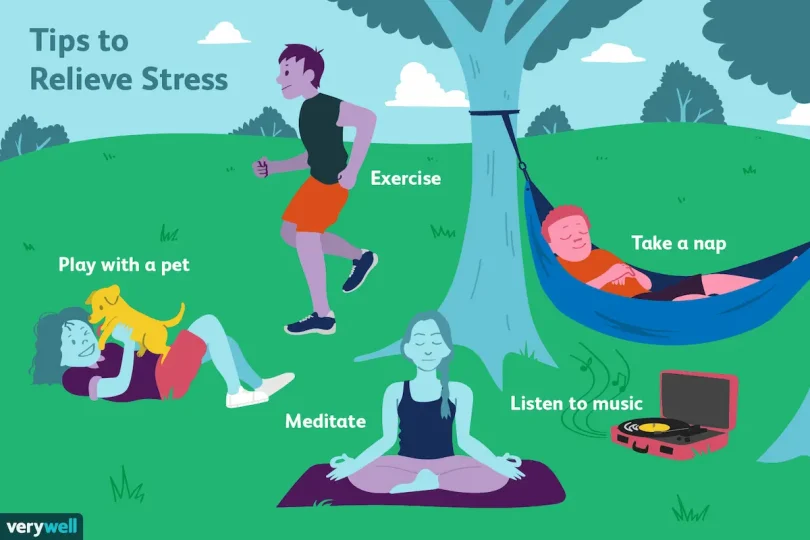

Stress has become an unavoidable part of modern life. From work deadlines and financial pressures to personal challenges, everyone faces stressful situations. While some stress can motivate us to stay productive, too much of it can harm our physical and emotional well-being.
The good news is that you don’t always need medication or therapy to find relief. There are many simple ways to reduce stress naturally—and by making small lifestyle changes, you can restore calm, improve focus, and live a healthier life.
1. Practice Deep Breathing Exercises
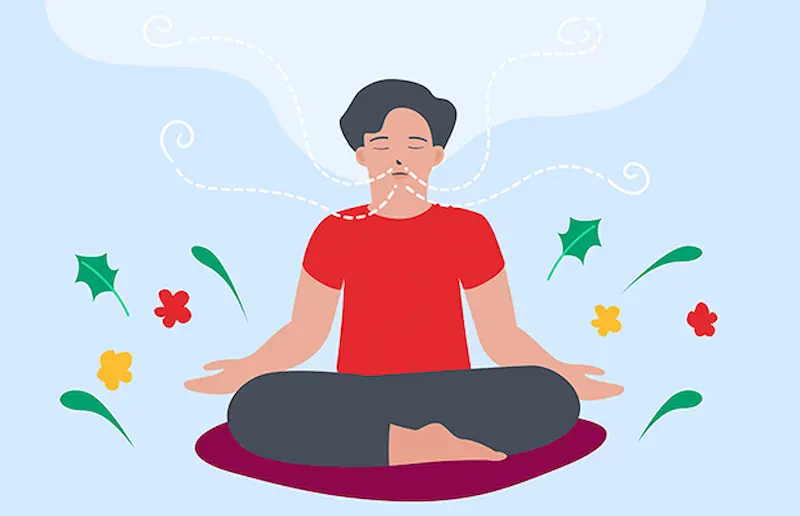
Deep breathing is one of the fastest and most effective ways to calm your nervous system. When you feel anxious, your breathing becomes shallow, which increases stress. Taking slow, deep breaths helps lower your heart rate, improve oxygen flow, and relax your muscles.
Try this simple breathing technique:
- Inhale deeply through your nose for 4 seconds.
- Hold your breath for 3 seconds.
- Slowly exhale through your mouth for 5 seconds.
Repeat this process for 2–3 minutes to instantly feel more relaxed. Deep breathing can be done anywhere—at work, before bed, or during a stressful situation.
2. Stay Physically Active
Exercise is a natural stress reliever. Physical activity releases endorphins—chemicals in the brain that act as natural mood boosters. You don’t need to join a gym to enjoy the benefits; even light activities like walking, jogging, cycling, dancing, or yoga can significantly reduce stress.
Regular exercise also improves sleep, boosts confidence, and enhances mental clarity. Aim for at least 30 minutes of movement daily to keep your mind and body balanced.
3. Eat a Healthy and Balanced Diet
The food you eat directly affects your mood and energy levels. A poor diet filled with caffeine, sugar, and processed foods can increase anxiety and irritability. On the other hand, a nutritious diet helps stabilize blood sugar and keeps you calm and focused.
Include foods rich in:
- Omega-3 fatty acids (salmon, walnuts, flaxseeds)
- Magnesium (spinach, avocados, almonds)
- Vitamin B-complex (whole grains, eggs, bananas)
Drinking plenty of water and avoiding excessive caffeine or alcohol are also simple ways to reduce stress naturally and maintain emotional balance.
4. Prioritize Good Sleep
Sleep and stress are deeply connected. When you’re stressed, you may find it hard to sleep—and when you lack sleep, stress worsens. To break this cycle, try to maintain a consistent sleep schedule.
Tips for better sleep:
- Avoid screens an hour before bed.
- Keep your bedroom dark, cool, and quiet.
- Practice relaxation before sleeping, such as reading or meditating.
A well-rested mind is better equipped to handle daily challenges calmly and effectively.
You may also like it:
Simple Salad Recipes for Daily Diet | Healthy & Tasty Meals
Nutritious Dinner Recipes for Family – A Complete Guide
Easy Exercises for Full Body Fitness | No Equipment Needed
Home Workout Routines Without Equipment | Get Fit at Home
5. Practice Mindfulness and Meditation
Mindfulness is about being present and aware of the current moment. It helps you detach from stressful thoughts and focus on what truly matters. Meditation, on the other hand, trains your brain to stay calm and focused even during chaos.
Start with just five minutes of mindfulness each day. Sit quietly, close your eyes, and pay attention to your breathing or surroundings without judgment. Over time, this habit can significantly reduce anxiety and improve your emotional health.
6. Spend Time in Nature
Nature has an amazing ability to heal the mind. Stepping outside, breathing in fresh air, and being surrounded by greenery can instantly reduce stress levels. Studies show that spending even 20 minutes outdoors daily can lower blood pressure and boost mood.
You don’t need a forest or mountain—simply walking in a park, gardening, or sitting by a window with sunlight can help you relax and recharge naturally.
7. Connect with Family and Friends
Social support plays a vital role in managing stress. Talking to loved ones helps you share your worries and gain perspective. Surrounding yourself with positive, understanding people can make stressful times more bearable.
Even if life gets busy, try to maintain social connections—meet a friend for coffee, make a phone call, or spend quality time with family. Remember, connection brings comfort and reduces feelings of loneliness and anxiety.
8. Listen to Calming Music

Music has a direct impact on your emotions. Soothing sounds like classical, instrumental, or nature music can help lower stress hormones and promote relaxation. You can create a “calm playlist” and listen to it while commuting, working, or before sleeping.
Music therapy is one of the most pleasant and simple ways to reduce stress naturally, allowing your mind to unwind and your heart rate to slow down.
9. Limit Screen Time and Social Media Use
Too much screen time—especially scrolling through social media—can trigger comparison, anxiety, and mental fatigue. To manage this, set boundaries such as “no phone during meals” or “30-minute social media limit per day.”
Taking breaks from digital devices allows your brain to rest and helps you focus on real-life experiences that bring genuine joy and peace.
10. Practice Gratitude Daily
Gratitude helps shift your mindset from focusing on problems to appreciating blessings. It reminds you that there’s always something to be thankful for, even in tough times.
You can start by keeping a gratitude journal—each night, write down three things you’re grateful for. This simple practice can reduce stress, boost happiness, and improve your outlook on life.
Conclusion
Managing stress doesn’t have to be complicated or time-consuming. By incorporating these simple ways to reduce stress naturally—like breathing exercises, regular movement, healthy eating, and mindfulness—you can restore inner peace and resilience. Remember, it’s not about eliminating stress completely, but learning how to respond to it calmly and positively. Small changes practiced consistently can make a big difference in your overall well-being.
FAQs
1. What are some simple ways to reduce stress naturally?
Some simple ways to reduce stress naturally include deep breathing, regular exercise, eating a healthy diet, getting enough sleep, practicing mindfulness, spending time in nature, and staying connected with loved ones. These habits help calm the mind and improve overall well-being.
2. How can I reduce stress instantly?
You can reduce stress instantly by taking slow, deep breaths, stretching, or listening to calming music. Stepping outside for a short walk or practicing mindfulness for five minutes can also provide immediate relief.
3. Can exercise really help reduce stress naturally?
Yes. Exercise triggers the release of endorphins—natural mood boosters that help relieve tension and anxiety. Even light physical activity like walking, yoga, or cycling can significantly lower stress levels.
4. How does meditation help with stress?
Meditation helps you focus on the present moment and quiets the mind, reducing negative thinking and worry. Regular meditation lowers cortisol (the stress hormone) and promotes a sense of peace and emotional balance.
5. What foods help reduce stress naturally?
Foods rich in vitamins and minerals like magnesium, omega-3 fatty acids, and antioxidants help reduce stress. Examples include salmon, spinach, avocado, berries, nuts, and whole grains. Avoiding caffeine and processed sugar also helps keep stress under control.