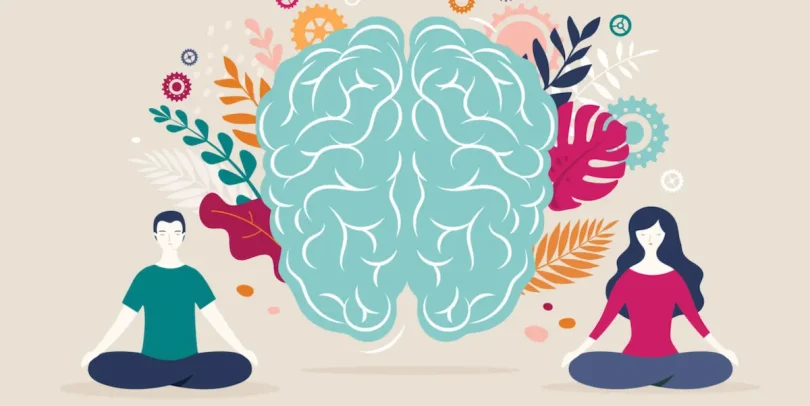

Good mental health is the foundation of a happy and fulfilling life. Just like we exercise to keep our bodies fit, our minds also need regular care and attention. Engaging in mental health improvement activities can help reduce stress, boost emotional strength, and create a more balanced mindset.
Whether you’re struggling with anxiety, feeling low, or simply want to improve your emotional well-being, these activities can make a real difference. The best part? You can start small, right at home, and gradually make them part of your daily routine.
Here are 12 powerful mental health improvement activities to help you feel calmer, stronger, and more positive every day.
1. Practice Deep Breathing Exercises
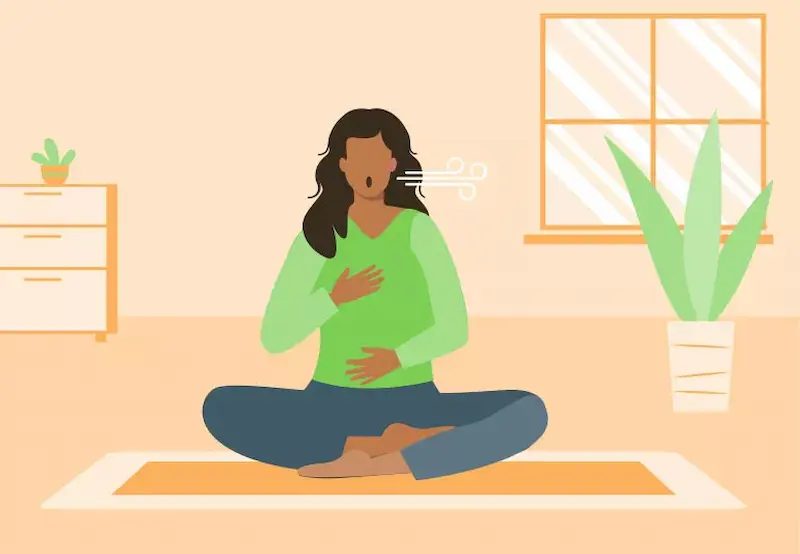
Deep breathing is one of the easiest yet most effective ways to reduce stress. When you take slow, deep breaths, your body relaxes and your mind calms down. Try the “4-7-8” method—inhale for 4 seconds, hold your breath for 7, and exhale for 8. Practicing this for just a few minutes daily can lower anxiety and improve focus.
2. Keep a Gratitude Journal
Writing down things you’re grateful for helps shift your focus from negative thoughts to positive ones. Each night, list three things that made you smile or feel thankful. This simple activity strengthens emotional resilience and encourages a more optimistic mindset.
3. Exercise Regularly
Physical activity isn’t just good for your body—it’s essential for your mind. Exercise releases endorphins, which are natural mood boosters. Whether it’s walking, cycling, yoga, or dancing, staying active can help you manage stress, anxiety, and even depression. Aim for at least 20–30 minutes of movement daily.
4. Try Meditation or Mindfulness
Meditation teaches you to stay present and calm, helping reduce overthinking and emotional stress. Even 10 minutes of mindfulness meditation each day can improve concentration, sleep, and emotional control. It’s one of the most powerful mental health improvement activities for inner peace.
5. Spend Time in Nature
Connecting with nature has a soothing effect on the mind. A short walk in the park, gardening, or simply sitting under a tree can reduce anxiety and clear your thoughts. Nature helps you disconnect from daily worries and reconnect with yourself.
6. Get Enough Sleep
Lack of sleep can negatively impact your mood, memory, and emotional stability. Aim for 7–9 hours of quality sleep every night. Establish a relaxing bedtime routine—turn off screens an hour before bed, read a book, or listen to calming music.
You may also like it:
Simple Salad Recipes for Daily Diet | Healthy & Tasty Meals
Nutritious Dinner Recipes for Family – A Complete Guide
Easy Exercises for Full Body Fitness | No Equipment Needed
Home Workout Routines Without Equipment | Get Fit at Home
7. Engage in a Creative Hobby
Creativity is a great outlet for emotions. Drawing, painting, writing, or playing music helps release stress and express feelings. You don’t need to be an expert—just focus on the joy of creating. Creative expression is deeply healing for the mind.
8. Limit Screen Time and Social Media

Constant screen exposure can increase anxiety and comparison stress. Take regular digital breaks, especially before bedtime. Replace scrolling with meaningful activities like reading, walking, or spending time with loved ones.
9. Connect with Supportive People
Social connections are vital for mental wellness. Talk to friends or family, share your feelings, or spend quality time with people who uplift you. Strong relationships offer emotional support and reduce feelings of loneliness.
10. Practice Positive Affirmations
Positive self-talk can change how you view yourself and your life. Start your day with affirmations like “I am strong,” “I am capable,” or “I can handle whatever comes my way.” Repeating affirmations daily builds confidence and emotional strength.
11. Volunteer or Help Others
Helping others not only benefits them but also boosts your own mood and sense of purpose. Acts of kindness release “feel-good” hormones like oxytocin and dopamine, which reduce stress and promote happiness.
12. Seek Professional Help When Needed
Sometimes, self-care alone isn’t enough—and that’s okay. Talking to a therapist or counselor provides guidance, support, and tools to handle emotional challenges. Seeking help is a sign of strength, not weakness.
Conclusion
Improving your mental health is a continuous journey that requires care, patience, and commitment. By incorporating these mental health improvement activities into your routine, you can build emotional resilience, reduce stress, and live a happier, more balanced life. Remember—small steps can lead to big changes, and every act of self-care brings you closer to a healthier mind.
FAQs about Mental Health Improvement Activities
1. What are the best mental health improvement activities?
The best activities include meditation, exercise, journaling, gratitude practice, and spending time in nature.
2. How can I improve my mental health at home?
You can improve your mental health by maintaining a routine, staying active, eating healthy, limiting screen time, and practicing self-compassion.
3. Can daily exercise help with mental health?
Yes. Exercise releases endorphins that improve mood, reduce anxiety, and increase overall well-being.
4. How does journaling help mental health?
Journaling helps express emotions, release stress, and gain clarity about your thoughts and feelings.
5. When should I seek professional help?
If you’re experiencing persistent sadness, anxiety, or emotional distress that affects your daily life, consider speaking to a licensed therapist or counselor.