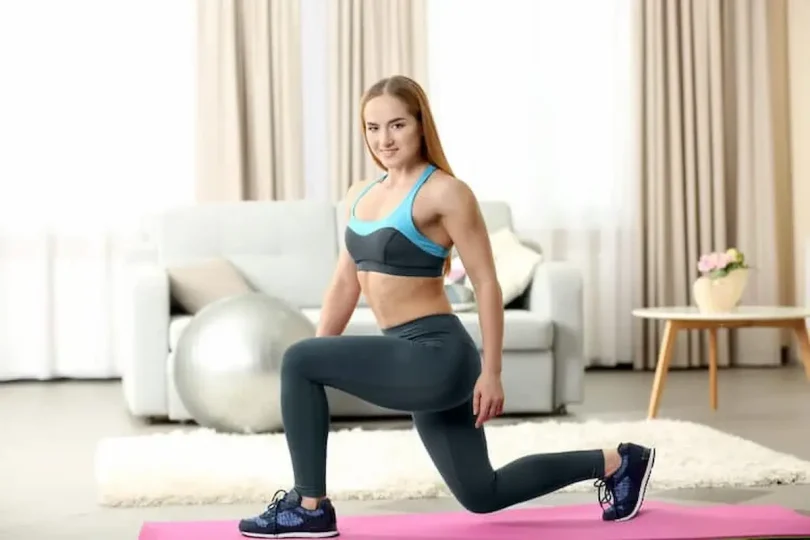

Starting a fitness journey can be both exciting and overwhelming, especially if you’re a beginner unsure where to begin. The good news is that fitness doesn’t have to be complicated — it’s all about making small, consistent changes that improve your physical and mental well-being.
Whether your goal is to lose weight, gain strength, or simply feel more energetic, these daily fitness tips for beginners will help you build a balanced, sustainable routine that works for your body and lifestyle.
1. Start Slow, Stay Consistent, and Build Gradually

When you’re just starting out, it’s tempting to push yourself hard right away. However, doing too much too soon can lead to fatigue, soreness, and even injury. Start small — aim for 20–30 minutes of light exercise like walking, cycling, yoga, or stretching each day.
Why it matters:
Your body needs time to adapt to physical activity. By starting slow, you build endurance, strengthen your muscles, and reduce the risk of injury.
Tip:
Create a weekly schedule. For example:
- Monday: 20-minute walk
- Tuesday: Light bodyweight workout
- Wednesday: Yoga or stretching
- Thursday: 25-minute brisk walk
- Friday: Core or strength exercises
- Weekend: Rest or a fun outdoor activity
Remember, it’s not about perfection — it’s about progress and persistence.
2. Always Warm Up and Cool Down
Skipping warm-ups and cool-downs is one of the most common beginner mistakes. A good warm-up prepares your muscles, joints, and heart for exercise, while a cool-down helps your body recover and reduces stiffness.
Warm-up examples:
- Arm circles
- Jumping jacks
- Marching in place
- Leg swings
- Shoulder rolls
Cool-down examples:
- Gentle walking for 5 minutes
- Stretching major muscle groups (hamstrings, quads, shoulders)
- Deep breathing exercises
Why it matters:
Proper warm-ups prevent muscle strain, and cool-downs help in faster recovery and flexibility improvement.
You may also like it:
Simple Salad Recipes for Daily Diet | Healthy & Tasty Meals
Nutritious Dinner Recipes for Family – A Complete Guide
Easy Exercises for Full Body Fitness | No Equipment Needed
Home Workout Routines Without Equipment | Get Fit at Home
3. Focus on Proper Form, Not Speed
Performing exercises correctly is more important than how fast you do them. Incorrect form not only reduces effectiveness but can also cause long-term injuries.
For example:
- When squatting, keep your back straight and knees behind your toes.
- During push-ups, engage your core and lower your body evenly.
- For planks, keep your body in a straight line from head to heels.
Tip:
Use mirrors or record yourself to check your posture. Start with bodyweight movements before adding weights or resistance bands.
Why it matters:
Good form ensures that you engage the right muscles and make real progress safely.
4. Combine Cardio, Strength, and Flexibility Training
A well-balanced fitness routine should include three key components:
- Cardio exercises to improve heart health and endurance.
- Strength training to tone muscles and increase metabolism.
- Flexibility exercises to enhance mobility and prevent stiffness.
Examples:
- Cardio: Brisk walking, jogging, cycling, or jumping rope.
- Strength: Squats, lunges, push-ups, planks, resistance bands.
- Flexibility: Yoga, Pilates, or simple stretching routines.
Why it matters:
Combining different types of exercises ensures total body development, keeps your workouts fun, and prevents plateaus.
5. Stay Hydrated Before, During, and After Exercise
Water is essential for energy, recovery, and performance. Even mild dehydration can make you feel tired, dizzy, and less focused during workouts.
Hydration tips:
- Drink a glass of water 30 minutes before exercising.
- Take small sips throughout your workout.
- Rehydrate after finishing with water or a low-sugar electrolyte drink.
Why it matters:
Proper hydration helps regulate body temperature, improves endurance, and prevents muscle cramps.
6. Eat a Balanced, Nutrient-Rich Diet

Exercise and nutrition go hand-in-hand. You can’t out-train a poor diet. A balanced diet provides the fuel your body needs to perform and recover.
Healthy eating guidelines:
- Protein: Builds and repairs muscles. (Examples: chicken, eggs, lentils, yogurt)
- Carbohydrates: Provide energy for workouts. (Examples: oats, brown rice, fruits)
- Fats: Support hormone balance and joint health. (Examples: nuts, olive oil, avocados)
- Vitamins & minerals: Essential for recovery and immune support.
Meal timing:
- Eat a small, healthy snack like a banana or oatmeal 1 hour before a workout.
- After exercising, refuel with a protein-rich meal within 30–60 minutes.
Why it matters:
The right diet accelerates progress, enhances strength, and prevents fatigue.
7. Get Enough Sleep and Recovery Time
Rest is when your body repairs itself and grows stronger. Overtraining without enough sleep can lead to fatigue, soreness, and even injury.
Rest and recovery tips:
- Aim for 7–8 hours of quality sleep each night.
- Take 1–2 rest days per week.
- Try active recovery (light stretching or walking) on rest days.
Why it matters:
Adequate rest helps muscles heal, reduces stress, and keeps your motivation high for future workouts.
8. Set Realistic and Achievable Goals
Setting unrealistic goals can lead to frustration and quitting early. Instead, focus on small, measurable milestones — like improving endurance, increasing flexibility, or losing one pound a week.
Examples of realistic goals:
- “I’ll walk 5,000 steps daily for a week.”
- “I’ll complete three workouts this week.”
- “I’ll add one extra push-up every day.”
Why it matters:
Small victories build confidence and create lasting motivation. Over time, these consistent efforts lead to big results.
9. Listen to Your Body and Avoid Overtraining
It’s normal to feel a bit sore when starting out, but sharp or persistent pain is a warning sign. Don’t push through serious discomfort — it can lead to long-term injuries.
Listen to your body by:
- Taking breaks when you feel exhausted.
- Stretching regularly.
- Adjusting intensity if you feel pain or tightness.
Why it matters:
Recovery is part of progress. Understanding your body helps you build a stronger, more sustainable routine.
10. Stay Motivated and Make Fitness Enjoyable
The secret to long-term success is enjoyment. When you love what you’re doing, it doesn’t feel like a chore.
Ways to stay motivated:
- Find a workout buddy or join a class.
- Track your progress using a journal or fitness app.
- Reward yourself for consistency (new workout clothes, a massage, or a cheat meal).
- Listen to upbeat music or podcasts during workouts.
Why it matters:
Fitness should be fun and rewarding. The more you enjoy your routine, the easier it is to stay consistent.
Bonus Tip: Track Your Progress for Long-Term Success
Keeping track of your fitness journey helps you stay accountable and celebrate improvements.
What to track:
- Your daily workouts and duration.
- Weight, measurements, or fitness levels.
- How you feel physically and mentally each week.
Why it matters:
Tracking gives you clear evidence of growth, helping you stay inspired and identify what works best for your body.
Conclusion
Starting a fitness journey doesn’t require perfection — it requires commitment. By following these daily fitness tips for beginners, you can create a lifestyle that promotes strength, balance, and mental clarity. Every step, no matter how small, brings you closer to your goals.
Remember, results take time. Be patient with yourself, stay consistent, and focus on progress instead of perfection. Soon, fitness will become a natural part of your daily routine — and you’ll wonder how you ever lived without it.
FAQs
Q1. How long should a beginner exercise every day?
Beginners should start with 20–30 minutes daily, gradually increasing intensity and duration as endurance improves.
Q2. What’s the bestworkout routine for beginners?
A mix of cardio (like walking or jogging), bodyweight strength training (like squats or push-ups), and stretching or yoga is ideal.
Q3. How soon can I see results from daily exercise?
You may notice increased energy and better mood within 2–3 weeks. Visible physical results usually appear in 6–8 weeks of consistent effort.
Q4. Can I get fit without going to the gym?
Absolutely! You can get great results from home workouts using your body weight, resistance bands, or simple household items.
Q5. What should I avoid as a beginner?
Avoid skipping warm-ups, poor form, overtraining, and unrealistic expectations. Focus on steady improvement instead.