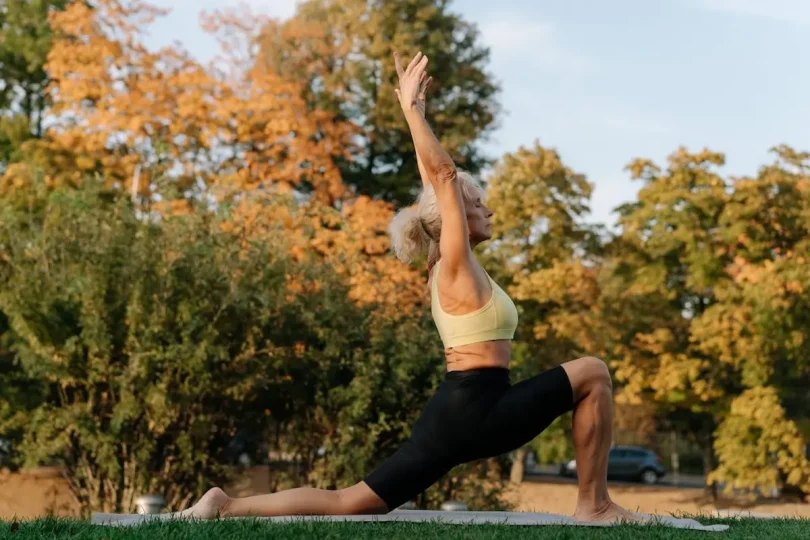

In a world full of distractions, constant notifications, and endless to-do lists, staying calm and focused can feel impossible. That’s where mindfulness exercises for beginners come in. Mindfulness is the simple practice of being present—fully aware of your thoughts, feelings, and surroundings without judgment.
The best part? You don’t need special tools, experience, or long hours to get started. Even a few minutes a day can make a huge difference in reducing stress, improving focus, and bringing emotional balance to your life. Whether you’re new to mindfulness or looking for easy techniques, this guide will walk you through practical exercises anyone can do.
1. Mindful Breathing
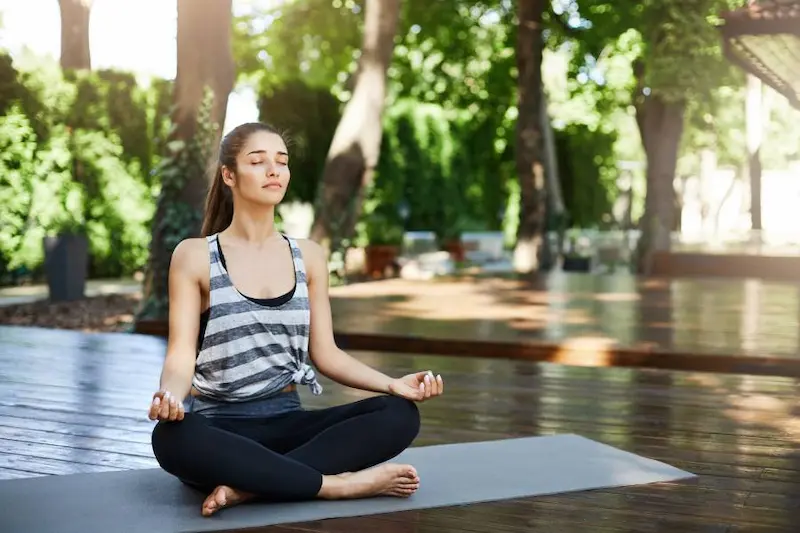
One of the simplest mindfulness exercises for beginners is focusing on your breath. Sit comfortably, close your eyes, and take slow, deep breaths. Pay attention to how the air moves in and out of your body. If your mind wanders, gently bring it back to your breathing. This helps calm your nervous system and reduces anxiety.
Tip: Start with 5 minutes a day and gradually increase as you become more comfortable.
2. Body Scan Meditation
The body scan helps you reconnect with your physical self and release tension. Lie down or sit comfortably, close your eyes, and slowly focus on each part of your body—from your toes to your head. Notice any tightness or discomfort, and breathe deeply into those areas to relax them.
This exercise promotes awareness, reduces stress, and improves sleep quality.
3. Mindful Eating
In today’s fast-paced world, we often eat quickly or while multitasking. Mindful eating involves slowing down and fully experiencing your food. Observe the color, texture, and flavor of each bite. Chew slowly and appreciate every taste.
This practice improves digestion and helps you build a healthy relationship with food.
4. Mindful Walking
You don’t always need to sit still to practice mindfulness. Take a slow walk and focus on your steps, the movement of your body, and the feeling of the ground beneath your feet. Notice the sounds, smells, and sights around you.
Mindful walking is a great way to combine movement and mental clarity—perfect for beginners who prefer an active approach.
You may also like it:
Simple Salad Recipes for Daily Diet | Healthy & Tasty Meals
Nutritious Dinner Recipes for Family – A Complete Guide
Easy Exercises for Full Body Fitness | No Equipment Needed
Home Workout Routines Without Equipment | Get Fit at Home
5. Five Senses Exercise
This quick exercise brings your attention to the present moment by engaging your senses.
- Notice 5 things you can see
- Notice 4 things you can touch
- Notice 3 things you can hear
- Notice 2 things you can smell
- Notice 1 thing you can taste
It’s a simple yet powerful way to ground yourself when you feel overwhelmed or anxious.
6. Gratitude Reflection

Mindfulness isn’t only about awareness—it’s also about appreciation. Take a few moments each day to think about three things you’re grateful for. They can be as simple as a warm cup of tea or a kind word from a friend.
Practicing gratitude helps shift your focus from what’s missing to what’s good in your life, improving emotional well-being.
7. Mindful Listening
In conversations, we often plan our response instead of truly listening. Mindful listening means giving your full attention to the speaker—without interrupting or judging. Notice their tone, words, and emotions.
This exercise strengthens relationships and improves empathy, helping you connect with others more deeply.
8. Visualization Meditation
Close your eyes and imagine a peaceful place—a beach, forest, or garden. Visualize yourself there, noticing every detail: the sound of waves, the scent of flowers, the warmth of sunlight. Visualization helps calm your mind and provides instant relaxation.
It’s one of the most soothing mindfulness exercises for beginners, especially when dealing with stress.
9. Loving-Kindness Meditation (Metta)
This powerful practice focuses on compassion—for yourself and others. Sit quietly and repeat phrases like:
- “May I be happy.”
- “May I be safe.”
- “May I live with ease.”
Then extend those wishes to others: loved ones, strangers, and even difficult people. Loving-kindness meditation enhances emotional healing and fosters peace of mind.
10. Mindful Journaling
Writing down your thoughts and emotions helps you observe them without judgment. Each day, spend 10 minutes reflecting on your feelings, experiences, or what you’re grateful for. Journaling builds self-awareness, clears your mind, and helps you manage stress more effectively.
Conclusion
Mindfulness is not about perfection—it’s about presence. By practicing these mindfulness exercises for beginners, you can cultivate calmness, clarity, and inner peace in your everyday life. Start small, be consistent, and you’ll soon notice how mindfulness transforms your stress into serenity.
Remember, just a few mindful minutes a day can create a lifetime of emotional balance and mental strength.
FAQs about Mindfulness Exercises for Beginners
1. What are the easiest mindfulness exercises for beginners?
The easiest ones include mindful breathing, body scan meditation, and the five senses exercise. These can be done anywhere, anytime.
2. How long should I practice mindfulness each day?
Start with 5–10 minutes daily. Gradually increase as you feel more comfortable. Consistency matters more than duration.
3. Can mindfulness help reduce stress?
Yes. Mindfulness lowers cortisol (stress hormone) levels, helping you feel calmer and more focused.
4. Do I need a quiet place to practice mindfulness?
While a quiet space helps, mindfulness can be practiced anywhere—even during daily tasks like walking or eating.
5. How long before I notice results from mindfulness?
Many people feel calmer after just a few sessions, but lasting benefits come with regular practice over several weeks.