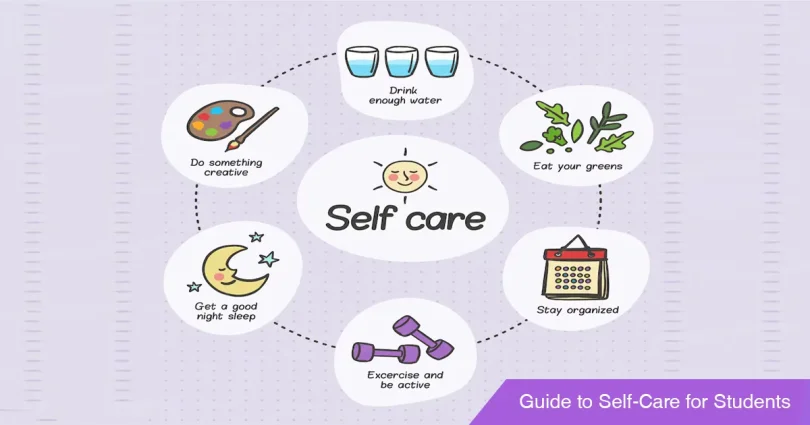

In today’s fast-paced world, finding emotional balance has become more important than ever. Between work pressures, personal responsibilities, and social commitments, it’s easy to feel overwhelmed. This is where self care tips for emotional balance come in handy. Self-care isn’t about luxury—it’s about giving yourself permission to rest, recharge, and prioritize your mental and emotional health.
Emotional balance means staying calm and grounded, even when life gets tough. It’s about maintaining a healthy connection between your thoughts, feelings, and actions. By incorporating a few simple self-care practices into your daily routine, you can restore inner peace, build resilience, and feel more in control of your emotions.
Let’s explore some effective self-care tips for emotional balance that can transform your overall well-being.
1. Start Your Day with a Mindful Morning Routine

Your mornings set the tone for the rest of your day. Begin with deep breathing, meditation, or positive affirmations. Taking just 10 minutes to center yourself before facing the world helps calm your mind and prepare you emotionally. A mindful morning routine reduces anxiety and boosts focus throughout the day.
2. Practice Deep Breathing and Meditation
When emotions run high, your breathing often becomes shallow. Practicing deep breathing or meditation helps regulate your heart rate, calm your mind, and restore balance. Even a few minutes of mindful breathing each day can make a huge difference in managing stress and maintaining emotional stability.
3. Set Healthy Boundaries
One of the most essential self-care tips for emotional balance is learning to say no. Protecting your time and energy is vital for mental health. Boundaries prevent burnout and resentment by ensuring you only commit to what truly matters. Be kind to yourself and prioritize your well-being first.
4. Get Enough Sleep
Lack of sleep can easily throw your emotions off balance. Sleep deprivation increases irritability, anxiety, and poor decision-making. Aim for 7–9 hours of quality sleep each night. Create a peaceful bedtime routine—dim lights, no screens, and perhaps a cup of herbal tea—to promote restful sleep and emotional harmony.
You may also like it:
Simple Salad Recipes for Daily Diet | Healthy & Tasty Meals
Nutritious Dinner Recipes for Family – A Complete Guide
Easy Exercises for Full Body Fitness | No Equipment Needed
Home Workout Routines Without Equipment | Get Fit at Home
5. Nourish Your Body with Healthy Foods
What you eat affects how you feel. A balanced diet rich in whole foods, fruits, vegetables, and omega-3 fatty acids supports brain health and mood regulation. Avoid excessive caffeine and sugar, which can trigger mood swings and fatigue. Eating mindfully is a simple but powerful form of self-care.
6. Stay Physically Active
Exercise releases endorphins—the body’s natural mood boosters. Whether it’s yoga, dancing, walking, or running, regular physical activity relieves stress and promotes a positive mindset. You don’t need an intense workout; even 20 minutes of movement a day can help you feel emotionally balanced.
7. Journal Your Thoughts and Feelings
Writing down your emotions helps you understand them better. Journaling provides a safe outlet to express what’s on your mind and reflect on your experiences. It’s an excellent way to release tension, identify emotional triggers, and gain clarity. Over time, journaling can help you track your growth and emotional patterns.
8. Connect with Supportive People
Strong relationships are key to emotional wellness. Surround yourself with people who uplift and support you. Talking with a friend or family member can lighten your emotional burden. Don’t hesitate to seek help from a counselor or therapist when needed—it’s an act of strength, not weakness.
9. Spend Time in Nature

Nature has a calming effect on the mind. Whether it’s a morning walk, sitting by the water, or gardening, spending time outdoors reduces anxiety and improves mood. The fresh air and natural beauty help you feel grounded and present—restoring your emotional balance naturally.
10. Limit Screen Time and Digital Overload
Constant scrolling on social media can cause emotional exhaustion and comparison anxiety. Set limits for your online activities and take digital breaks. Use that time for real-world experiences—reading, meditating, or engaging in creative hobbies that bring joy and relaxation.
11. Practice Gratitude Daily
Gratitude helps shift your focus from what’s lacking to what’s good in your life. Writing down three things you’re thankful for each day can instantly boost your mood and emotional stability. It encourages a more positive outlook, helping you navigate tough days with resilience and hope.
12. Forgive Yourself and Let Go of Negativity
Holding onto guilt or regret can weigh you down emotionally. Learn to forgive yourself for past mistakes and accept that imperfection is part of being human. Letting go of negativity clears your emotional space, making room for peace, joy, and personal growth.
Conclusion
Emotional balance doesn’t happen overnight—it’s something you build through consistent care and self-awareness. These self-care tips for emotional balance can guide you toward a healthier, happier life. By nurturing your mind and body daily, you create emotional resilience that helps you handle life’s challenges with grace and strength. Remember, taking care of yourself is not selfish—it’s essential.
FAQs about Self Care Tips for Emotional Balance
1. What are the best self-care tips for emotional balance?
The best self-care tips include mindfulness, exercise, setting healthy boundaries, practicing gratitude, and spending time in nature.
2. How does self-care improve emotional balance?
Self-care activities help reduce stress, regulate emotions, and improve overall well-being, allowing you to respond calmly to life’s challenges.
3. Can journaling really help with emotional balance?
Yes. Journaling allows you to process emotions, reflect on experiences, and identify patterns that affect your mood and mental state.
4. How can I maintain emotional balance during stressful times?
Focus on breathing exercises, stay connected with loved ones, get enough rest, and remind yourself that challenges are temporary.
5. How often should I practice self-care?
Self-care should be a daily habit. Even small acts—like a short walk, a deep breath, or a kind thought—can make a big impact on your emotional well-being.